with the rapid development of the internet, more and more companies and individuals have begun to pay attention to the choice of servers. in particular, american servers are favored for their high performance and stability. however, renting a us server is not an easy task and involves legal, technical and market considerations. this article will give you a detailed introduction to the precautions and suggestions for legally renting a us server to help you make a wise decision.
before renting a us server, it is important to understand the relevant laws and regulations. the united states has strict regulations on data privacy and cybersecurity, such as the digital millennium copyright act (dmca) and the health insurance portability and accountability act (hipaa). make sure your business does not violate these laws or you may face legal liability and sanctions. so when choosing a server provider, take a close look at its compliance to make sure it meets the legal requirements of your business.
there are many types of servers available in the us market, including shared hosting, vps (virtual private server), dedicated servers, etc. depending on your business needs, choosing the right server type will directly affect your website's performance and user experience. shared hosting is suitable for small businesses or personal websites, while vps and dedicated servers are suitable for businesses with higher traffic or that require more control. when determining the server type, it is recommended to evaluate it based on future expansion needs to avoid the trouble caused by frequent migration.
choosing a reputable server provider is crucial. you can assess its credibility by looking at online reviews, user feedback, and industry rankings. at the same time, it is recommended to choose companies that provide transparent service terms and clear refund policies to protect your rights and interests. communication with the provider is also important to ensure that it can provide timely technical support and services to deal with possible problems.
data security is an important factor that must be considered when choosing a server. make sure your server provider has comprehensive data backup and recovery mechanisms in place to prevent data loss. additionally, check its security measures such as firewall, ddos attack protection, and ssl certificate to ensure the safety of your website and user data. conducting regular security audits is also an effective preventive measure that can detect potential risks early.
performance and bandwidth are key factors that affect website access speed and user experience. when choosing a server, you should consider its cpu, memory, storage, and bandwidth configuration to ensure it can meet your traffic needs. most providers offer different levels of configuration, which you can choose based on your needs. it is recommended to conduct performance testing during peak periods to ensure that the server can withstand the large number of accesses.
while cost isn't the only factor in choosing a server, it does influence your choice. when evaluating the cost of renting a server, it is important to consider not only the basic cost, but also additional costs, such as bandwidth overage fees, technical support fees, and data backup fees. it is recommended to set a reasonable budget and weigh price and performance when choosing a server to avoid blindly pursuing low prices and neglecting service quality.
technical support is an aspect that cannot be ignored in the server rental process. good technical support can help you resolve issues quickly and reduce website downtime. when choosing a server provider, it is recommended to confirm its technical support response time and service channels (such as phone, email, online chat, etc.). also, check their technical support hours to make sure you can reach a professional if you need help.
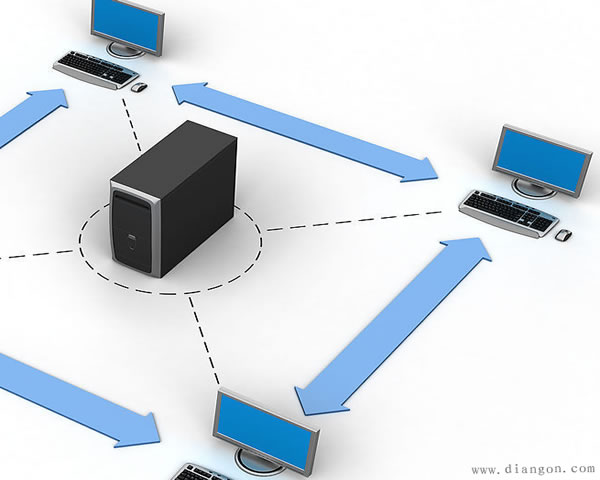
the geographical location of the server will also affect the website's access speed and seo effect. when choosing a us server, try to choose a server location close to your target user base to reduce latency and improve user experience. in addition, geographical location may also affect the efficiency of the content delivery network (cdn), so it should be considered comprehensively when making a choice.
once you have selected the right us server, it is important to regularly evaluate and optimize its performance. monitor traffic, server load, response time and other indicators to identify problems and make adjustments in a timely manner. you can also use some monitoring tools to understand the status of the server in real time to ensure that it is always running optimally. in addition, regular security audits and performance optimization are also effective means to ensure server stability.
legally renting a us server requires comprehensive consideration of multiple factors such as laws and regulations, server type, provider reputation, data security, performance and cost. choosing the right server can not only improve website access speed and user experience, but also ensure data security and compliance. it is recommended to conduct sufficient market research and comparison before making a final decision to ensure that you choose the server that best meets your needs. remember, long-term relationships are often more important than short-term financial benefits, and finding a trustworthy server provider will provide strong support for your business development.
- Latest articles
- Recommended Recommendations For Operators To Improve Thailand's High-Defense VPS Protection And Bandwidth Stability By Comparison
- Optimized Storage Costs For Hong Kong Hosted Servers, Hard Disk Servers, Layered Storage, And Cold Archiving Solutions
- Are Tencent Cloud Korean Servers Native? Recommendations For Local Service Provider Integration And Latency Optimization
- The Enterprise Migration Guide Teaches You How To Apply For US Dual-line Server Hosting To Ensure Compliance
- How Does AWS Cloud Server In Japan Charge? Bill Analysis And Fee Alert Settings
- Beginner's Guide: Which Hong Kong Site Cluster Servers Are Best To Use? Choose Based On Your Business Scale
- A Detailed Explanation Of US High-defense Servers Involves Latency, Bandwidth, Cleaning Capability, And SLA Comparison
- A Summary Of Common Questions About Hong Kong VPS Access In The US And A Guide To Optimal Connection Configurations
- Korean CN2 Network Cloud Service Product Selection Guide Performance, Security, And Scalability Evaluation
- Developer Manual: Best Practices For Network And Security In Configuring Linode Japanese Native IP
- Popular tags
-

Practical Deployment Methods For Many IP Addresses On U.S. Servers In Load Balancing And Anti-cheat Systems
This article explores practical deployment methods for many IP addresses on U.S. servers in load balancing and anti-cheat applications, covering architecture design, DNS and Anycast strategies, session persistence, anti-cheat IP strategies, as well as compliance and security considerations. -
How To Use Infinite Cloud’s US Servers For Hosting To Quickly Set Up Overseas Nodes And Ensure Stability
This article explains how to use Infinite Cloud’s US servers to quickly set up overseas nodes, and provides recommendations for ensuring stability in areas such as network optimization, load balancing, security policies, monitoring, and backups. It is suitable for enterprises and operations teams that wish to launch overseas services swiftly. -
Access Speed Server How To Improve The Global Access Experience Of Adult Websites In The United States Through Cdn
discuss how access speed servers for adult websites in the united states can improve the global access experience through cdn, covering practical points such as edge node distribution, caching strategies, tls, monitoring and failover.